The Dangers of Smoking With New All-on-4 Implants
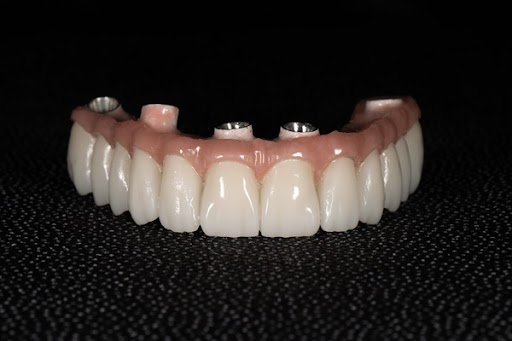
Smoking after receiving All-on-4 dental implants can severely compromise healing, reduce implant success rates, and increase the risk of long-term complications. All-on-4 treatment relies on the secure integration of dental implants into the jawbone, a process known as osseointegration. Smoking disrupts this process by impairing circulation, reducing oxygen delivery, and slowing tissue regeneration, which can threaten the stability and longevity of the implants.
How smoking affects all-on-4 implant healing
The success of All-on-4 implants depends on the body’s ability to heal and bond the titanium posts to the surrounding bone. Nicotine in cigarettes causes blood vessels to constrict, limiting blood flow to the gums and jaw. This reduced circulation delays healing, increases inflammation, and creates an environment where bacteria can thrive.
Additionally, smoking weakens the immune system, making it more difficult for the body to fight off infections around the implant sites. Even a minor infection can interfere with the osseointegration process, leading to loosening or failure of the implants. The constant exposure to heat and harmful chemicals from smoking can also irritate delicate gum tissues, slow the formation of healthy bone, and weaken the foundation supporting the new implants.
Increased risk of peri-implantitis
One of the most serious complications linked to smoking with All-on-4 implants is peri-implantitis. This condition involves inflammation and infection of the tissues surrounding the implants, often caused by bacterial buildup. In smokers, the risk is significantly higher due to decreased immune response and delayed healing.
Peri-implantitis can cause bone loss around the implants, jeopardizing their stability and potentially requiring removal. Early signs include bleeding gums, swelling, and persistent discomfort, all of which require immediate professional attention.
Long-term impact on implant longevity
Even after the initial healing period, smoking continues to pose risks to All-on-4 implants. Ongoing tobacco use increases the likelihood of gum disease, bone deterioration, and tissue recession. These changes can expose implant surfaces, reduce support, and eventually cause implant failure.
Patients who quit smoking before and after implant placement are more likely to enjoy long-term success, with higher survival rates and fewer complications.
Strategies for protecting implant health
To reduce risks and protect the investment in All-on-4 implants, patients should:
- Avoid smoking entirely before and after surgery to allow proper healing.
- Maintain excellent oral hygiene, including brushing, flossing, and using antibacterial mouth rinses.
- Attend regular dental checkups for professional cleanings and implant monitoring.
Following these guidelines significantly improves healing outcomes and the long-term stability of the implants.
Maintain your All-on-4 implants and overall smile
Smoking with new All-on-4 implants can seriously endanger healing and compromise long-term results. Avoiding tobacco use, following post-surgical instructions, and committing to ongoing dental care greatly increase the chances of implant success. Protecting oral health during and after the healing process ensures that All-on-4 implants remain a strong, functional, and lasting solution for restoring a complete smile. For more information or to schedule an appointment, call our office at (209) 707-2000.
To schedule a consultation, please request an appointment on our website at https://mantecadentist.com or call Manteca Dentistry And Implants at (209) 707-2000 to arrange an appointment at our Manteca office.
Check out what others are saying about our dental services on Yelp: All-on-4 in Manteca, CA.
Related Posts
Looking for information on implant dentistry? Whether only a few teeth or the complete row of teeth are missing, implant dentistry might be the best choice to restore the natural function and appearance of the smile. Before starting any major dental procedure, you would probably have many questions. This article provides answers to some of…
Emergency dentists will often try every possible avenue before deciding you need a tooth extraction. This procedure can reduce the risk of an infection from spreading and worsening pain. By removing the affected tooth, our team can relieve your symptoms and preserve your oral and overall health.A deep crack or break that extends under the…
Patients often search for root canal treatment when a tooth aches from deep decay, a crack, or inflamed pulp tissue. This therapy removes irritated nerve tissue, disinfects the canal space, and seals the tooth to prevent reinfection. By preserving the natural root, the procedure maintains bite balance and chewing strength. With careful planning, a restored…
Dental restorations can help you maintain your oral health and prevent further decay. A dental filling is one of the most common restorative procedures used to treat mild to moderate cavities and other dental damage. This type of restoration restores the function and appearance of a damaged or decayed tooth. Let us walk you through…