Is Tooth Extraction Necessary Before Receiving Dental Implants?
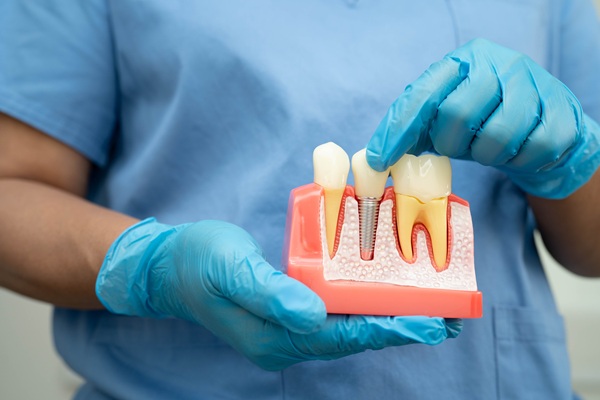
Dental implants can replace missing teeth, but some patients may need a tooth extraction before treatment begins. This depends on whether a damaged or unhealthy tooth remains in the area where the implant will go. Our general dentist can examine your tooth, gums, and jawbone to decide whether saving the tooth or removing it offers the healthier long-term option.
When an extraction may be necessary before dental implants
Tooth extraction may be necessary when a natural tooth can no longer function properly. Severe decay, advanced gum disease, deep cracks, or a vertical root fracture can be less predictable to repair. In these cases, keeping the tooth in place may allow infection or inflammation to affect nearby tissues. Removing the tooth can clear the area and prepare the mouth for future treatment.
The dentist may also recommend extraction when a tooth has too little structure to hold a crown or filling. While the goal is not to remove teeth unnecessarily, it is necessary to create the safest path toward a stable restoration. If the surrounding bone and gums remain healthy enough, the dentist can discuss the next steps for dental implants. When extra support is needed, bone grafting may help rebuild the area before implant placement.
When an extraction may not be necessary before dental implants
Of course, extraction is not necessary when the tooth is already missing. In this situation, the dentist focuses on the open space and the condition of the jawbone. A missing-tooth gap may look ready for treatment, but the bone beneath the gums needs sufficient height and width to support the implant post. In these cases, the dentist will use digital X-rays or 3D imaging to evaluate the site.
When extraction and dental implant placement occur in the same appointment
In some cases, extraction and dental implant placement can happen during the same appointment. This approach may be possible when the area has healthy gum tissue, enough bone support, and no active infection that could affect healing. The dentist removes the damaged tooth and places the implant post into the prepared site, effectively shortening the overall treatment timeline.
However, it is important to note that immediate placement is not right for every situation. Some patients need time for the extraction site to heal before the dentist can safely place the implant, while others may need a bone graft first to strengthen the foundation. The dentist will recommend the timing that gives dental implants the best chance of long-term success.
What affects the dental implant treatment plan?
Every dental implant case begins with a detailed exam. The dentist checks the tooth, gums, bite, jawbone, and overall oral health before recommending treatment. They will also review each patient's medical history, smoking habits, gum disease, and healing ability, which can also influence the plan. This information helps determine whether extraction, grafting, or delayed implant placement is necessary. The dentist explains each finding and reviews available options before treatment begins. This personalized approach helps patients understand why each step matters.
Schedule an evaluation
Tooth extraction is not always necessary before dental implants, but it may be recommended when a damaged or diseased tooth cannot remain healthy. A complete dental evaluation helps determine whether extraction, bone grafting, immediate placement, or delayed implant treatment offers the best path forward. Call our office for more information or to schedule an evaluation.
Request an appointment here: https://mantecadentist.com or call Manteca Dentistry And Implants at (209) 707-2000 for an appointment in our Manteca office.
Check out what others are saying about our dental services on Yelp: Dental Implants in Manteca, CA.
Related Posts
Looking for information on implant dentistry? Whether only a few teeth or the complete row of teeth are missing, implant dentistry might be the best choice to restore the natural function and appearance of the smile. Before starting any major dental procedure, you would probably have many questions. This article provides answers to some of…
A tooth extraction requires careful aftercare, particularly in the first few days when the socket starts forming a protective blood clot. This clot protects the bone and nerves underneath the extraction site as it heals. Patients often ask when they can drink alcohol or enjoy their favorite foods again. The dentist will provide specific instructions…
Endodontics is primarily thought of as restorative treatment, but it can have cosmetic benefits as well. Your smile is one of the first things that other people notice. A healthy-looking smile can make you look more attractive, compared to having damaged, poorly managed teeth. Restoring the way that a tooth looks can help improve your…
A dental crown serves as a reliable way to protect a damaged or weakened natural tooth. These durable caps rebuild the tooth's shape while offering a shield against the pressures of chewing and speaking. While crowns are known to last a decade or more, the true lifespan depends on a few factors.The primary goal of…